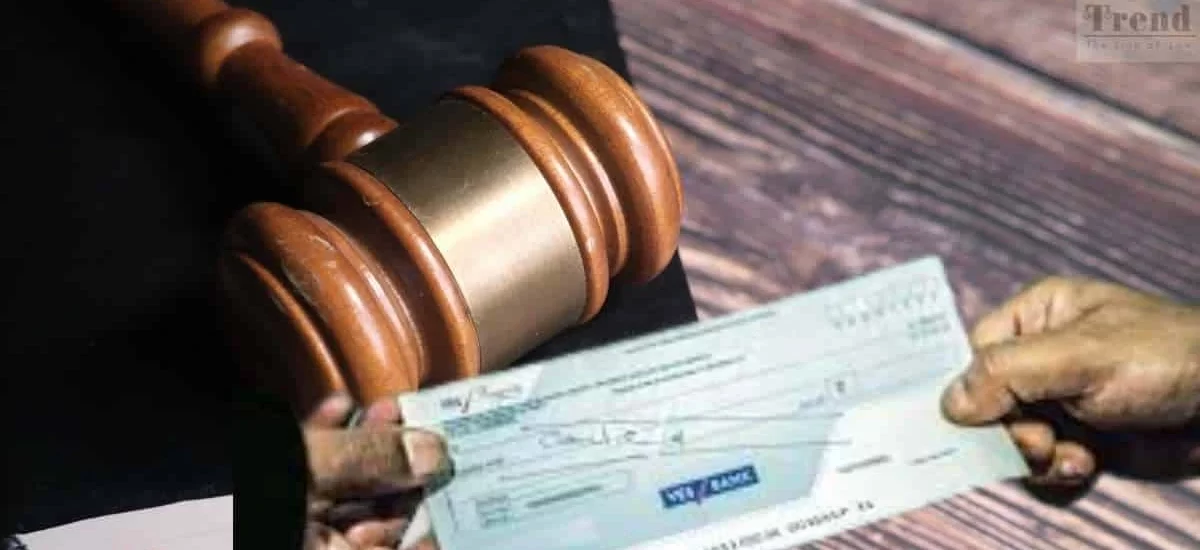
Cheques are a vital instrument in India’s commercial landscape, offering a secure method of transferring funds. However, when a cheque is dishonoured due to insufficient funds or a closed account, it leads to financial loss, erodes trust, and burdens the legal system. To curb this, Section 138 of the Negotiable Instruments Act, 1881 criminalizes the act of issuing a cheque that is subsequently dishonoured.
Enacted in 1988, Section 138 aims to uphold the sanctity of cheque-based transactions and instill financial accountability. Despite its deterrent nature, the volume of cheque bounce cases across India reveals both its relevance and the urgent need for reforms.
Under Section 138, the following conditions must be met for a case to be valid:
Cheque Issued for Legally Enforceable Debt: The cheque must have been issued to discharge a debt or liability.
Dishonour by Bank: The bank returns the cheque unpaid due to insufficient funds or if it exceeds the arrangement with the bank.
Notice to Drawer: The payee must issue a written notice to the drawer within 30 days of receiving the bank memo.
Failure to Pay Within 15 Days: If the drawer fails to make payment within 15 days of receiving the notice, a cause of action arises.
Complaint Filing: The complaint must be filed in a magistrate’s court within 1 month from the date of the cause of action.
Indian courts have played a crucial role in interpreting and strengthening Section 138:
M.S. Narayana Menon v. State of Kerala (2006): Clarified that once the cheque is proved to be dishonoured, the burden shifts to the drawer to rebut the presumption of debt.
Dashrath Rupsingh Rathod v. State of Maharashtra (2014): Held that the jurisdiction lies where the drawee bank is located. This led to inconvenience and was later overruled.
Negotiable Instruments (Amendment) Act, 2018: Clarified that the jurisdiction lies at the place where the cheque is deposited.
These interpretations highlight the evolving nature of the law in balancing convenience and fairness.
Issuance of Demand Notice: A legal notice is sent to the drawer demanding payment within 15 days.
Filing of Complaint: If payment isn’t made, a complaint is filed in the appropriate magistrate’s court.
Pre-Summoning Evidence: The complainant submits affidavits and documents.
Summoning the Accused: If the court is satisfied, it issues a summons.
Trial: Includes examination, cross-examination, and presentation of evidence.
Judgment and Sentencing: On conviction, the accused may face imprisonment up to 2 years, a fine up to double the cheque amount, or both.
Case Backlog: Over 35 lakh cheque bounce cases are pending in Indian courts, delaying justice and clogging the system.
Misuse by Litigants: Some use Section 138 as a tool for harassment or recovery of disputed debts.
Difficulty in Summons and Execution: Non-appearance of accused and delayed execution of warrants hinder speedy trials.
Lack of Deterrence: Often, defaulters are willing to face court proceedings rather than settle dues promptly.
Mediation and Settlement Courts: Promotion of mediation in cheque bounce cases to reduce pendency.
Digitization and e-Summons: Introducing electronic means for issuing summons to improve efficiency.
Decriminalization Debate: Some have proposed decriminalizing cheque bounce to avoid imprisonment for economic offenses. However, this is opposed by trade and business communities fearing increased defaults.
Compensation-Oriented Approach: Shift from punitive to restitution-focused remedies — enabling courts to order prompt compensation instead of lengthy jail terms.
Section 138 of the Negotiable Instruments Act represents the legislature’s intent to uphold commercial integrity and deter willful defaulters. While it has empowered payees and instilled a sense of accountability in business transactions, its overuse and procedural delays highlight the need for urgent reforms.