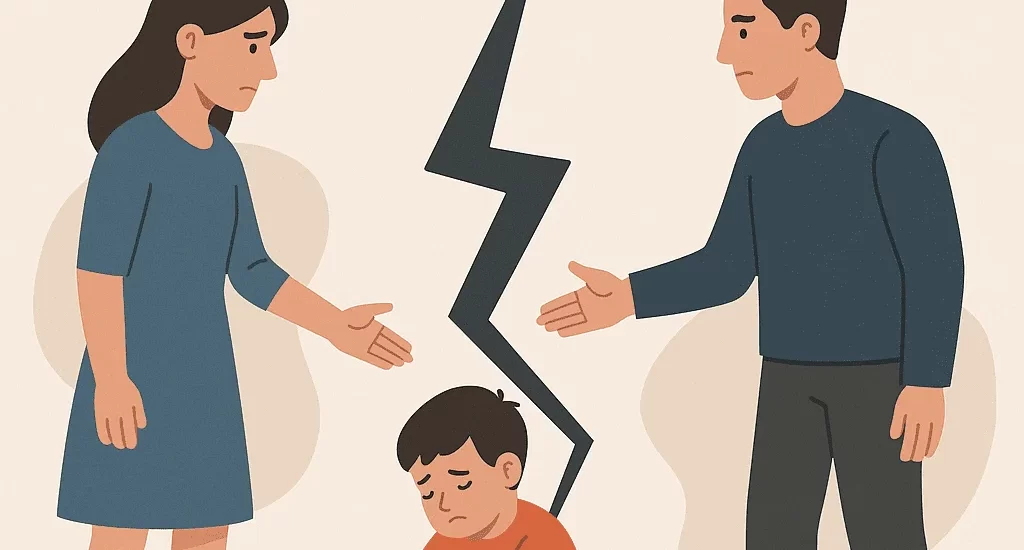
Child custody is one of the most sensitive aspects of family law. When parents separate or divorce, the well-being of the child becomes the foremost concern. The law aims to ensure that custody decisions are made in the best interests of the child, focusing on their emotional, physical, and psychological development.
Child custody generally covers two aspects:
Legal Custody – The right to make important decisions about the child’s upbringing, education, healthcare, and welfare.
Physical Custody – Where the child lives and how their daily needs are met.
Courts may grant custody to one parent (sole custody) or both parents (joint custody) depending on circumstances.
Age, health, and needs of the child
Emotional bonding with each parent
Financial stability and capability of parents
Home environment and lifestyle
Child’s preference (in some cases)
Child custody battles can be emotionally challenging. Professional legal support ensures that parental rights are protected while prioritizing the child’s long-term welfare. A well-prepared custody plan can also reduce conflict and create a stable environment for the child.
At its core, child custody is not about winning or losing—it is about ensuring a safe, nurturing, and supportive future for the child. Courts, lawyers, and parents must work together to safeguard what matters most: the child’s best interests